




Top Svenska Casino N - Professional casino gambling advice > Poker > Poker: The Timeless Dance of Strategy, Psychology, and Chance

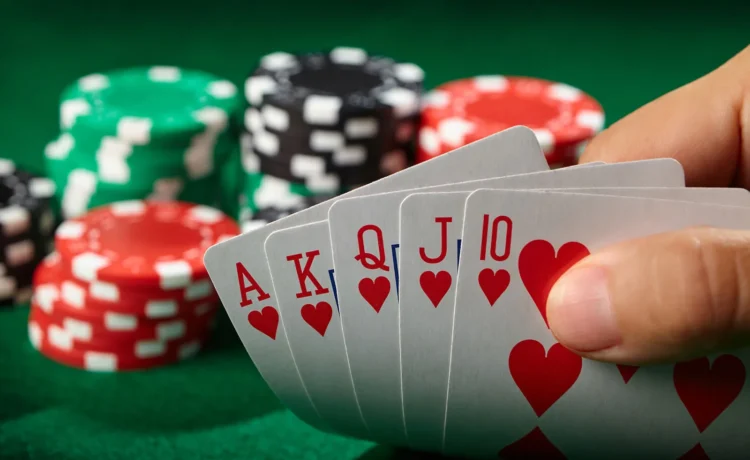
Introduction: The Enduring Allure of Poker
Poker stands as one of the most compelling and sophisticated card games in the world, a blend of skill, intuition, and luck that has fascinated players for centuries. Its magnetic appeal transcends borders, social classes, and cultures, drawing people into a game where fortunes can change with a single hand. Yet poker is far more than gambling; it is a subtle interplay of mathematics, psychology, and human nature. This article delves into the rich tapestry of poker’s history, strategic complexity, and cultural significance, illuminating why it remains an enduring symbol of intellect and nerve.
A Historical Glimpse: From Humble Origins to Global Fame
The origins of poker are somewhat nebulous, with theories tracing the game’s roots back to 16th-century Persia, where a game called “As-Nas” involved bluffing and betting. More concrete evidence places poker in early 19th-century America, where it flourished along the Mississippi River, played by riverboat gamblers and frontier settlers.
Over time, poker evolved through numerous variants—Stud, Draw, Omaha, and, most famously, Texas Hold’em. The late 20th and early 21st centuries witnessed poker’s meteoric rise as televised tournaments and online platforms introduced millions to its captivating drama. Events like the World Series of Poker (WSOP) transformed players into celebrities, solidifying poker’s status as a prestigious and strategic pursuit.
Fundamental Elements of Poker: Rules, Hands, and Gameplay
At its core, poker is a contest where players wager chips based on the strength of their hands and their ability to read opponents. The most popular variant, Texas Hold’em, exemplifies this blend of luck and skill.
-
The Deck and Hands: Using a standard 52-card deck, players aim to form the best five-card hand from their two private cards (hole cards) and five community cards. Hand rankings, from Royal Flush down to High Card, determine the winner.
-
Betting Rounds: Poker’s structure revolves around several betting rounds—pre-flop, flop, turn, and river—each offering opportunities for strategic decisions.
-
Bluffing and Reading Opponents: Perhaps the essence of poker lies in deception and perception. Players must assess not only their cards but also their opponents’ behaviors and betting patterns.
-
Position and Pot Odds: The order of play and understanding the mathematical relationship between bet size and potential winnings are crucial strategic considerations.
These elements combine to create a dynamic and intellectually demanding game.
Strategy and Skill: Beyond the Cards
Unlike pure games of chance, poker rewards those who cultivate strategy, patience, and psychological insight. Key strategic pillars include:
-
Starting Hand Selection: Knowing which hands to play or fold is fundamental, varying by position and game context.
-
Bet Sizing and Pot Control: Deciding how much to bet influences the pot’s growth and opponents’ decisions.
-
Bluffing: The art of representing a stronger or weaker hand to manipulate opponents, when timed correctly, can yield significant advantages.
-
Reading Tells: Physical cues, betting rhythms, and verbal hints can reveal hidden information, though savvy players often mask their intentions deliberately.
-
Bankroll Management: Prudent control over one’s chips prevents catastrophic losses and enables sustained play.
Mastering these skills transforms poker into a nuanced battle of wits rather than mere gambling.
The Psychological Dimension: Mind Games at the Table
Poker is as much a psychological contest as it is a card game. Players must balance risk and reward, control emotions, and maintain composure under pressure. The mental fortitude required is immense, as even minor lapses can lead to costly mistakes.
-
Emotional Control: Managing “tilt”—emotional frustration that impairs judgment—is critical for long-term success.
-
Patience and Discipline: Knowing when to fold or wait for favorable situations separates novices from experts.
-
Opponent Profiling: Understanding opponents’ tendencies—whether aggressive, passive, tight, or loose—enables more informed decisions.
-
Adaptability: Effective players adjust tactics based on table dynamics and changing conditions.
This psychological warfare adds profound depth and intrigue to the game.
Poker’s Cultural Impact: From Social Gathering to Spectator Sport
Poker has evolved from informal social gatherings to a global phenomenon with widespread cultural significance. It occupies a unique space where social interaction, competition, and entertainment converge.
-
Social Bonds and Rivalries: Home games foster camaraderie and rivalry, often serving as a social glue among friends and family.
-
Media and Entertainment: Televised poker tournaments, with hole-card cameras and expert commentary, have popularized the game, making it accessible and exciting to millions.
-
Online Poker: Digital platforms have revolutionized poker by offering convenience, diversity of formats, and vast player pools, while also presenting challenges related to fairness and regulation.
-
Celebrity and Mythology: Iconic players like Doyle Brunson, Phil Ivey, and Daniel Negreanu have elevated poker to celebrity status, inspiring new generations.
The game’s cultural footprint continues to expand, bridging leisure and professional competition.
Ethics and Responsibility: The Gambling Element
While poker is celebrated for its strategic complexity, it remains a form of gambling with inherent risks. Responsible play and awareness of gambling addiction are essential.
-
Bankroll Discipline: Players must avoid chasing losses and gamble within their means.
-
Recognizing Problem Gambling: Identifying signs of compulsive behavior is vital for player health and wellbeing.
-
Regulatory Frameworks: Licensed venues and online operators implement measures to promote fairness and protect consumers.
Balancing enjoyment with caution ensures poker remains a positive and sustainable pastime.
Conclusion: Poker as a Reflection of Human Complexity
Poker endures because it captures the essence of human conflict—between luck and skill, logic and emotion, risk and reward. It challenges players to think critically, read others intuitively, and embrace uncertainty with courage. Beyond the cards lies a profound psychological and social drama that keeps poker eternally fascinating.
Whether played casually among friends or in high-stakes arenas, poker is much more than a game. It is a timeless dance of intellect and instinct, an art form that mirrors the complexities of life itself. For those willing to learn its nuances, poker offers a rich and rewarding pursuit where every hand dealt is an opportunity to test wit, will, and wisdom.
Kobe Karla

the authorKobe Karla
All posts byKobe Karla
You Might Also Like
The Art of Value Betting in Competitive Poker
 2 months ago
In the high-stakes environment of competitive poker, legendary players are rarely defined by their ability to execute flashy, cinematic bluffs....
Poker: The Artful Blend of Strategy, Psychology, and Chance
1 year agoIntroduction: A Game Beyond CardsPoker is much more than a mere card game; it is a nuanced contest of intellect,...

Use Advanced Poker Skills To Win Online
6 years agoEven though many Texas Texas hold'em players will essentially make use of the 'cross that bridge after i arrived at...


How you can Love Playing Poker With Increased Skilled Players
6 years agoRegardless of what kind of game you're playing like probably the most sophisticated types or perhaps a simply bet on...