




Top Svenska Casino N - Professional casino gambling advice > Card Game > Shuffled Realities: The Enduring Allure and Cultural Legacy of Card Games
Shuffled Realities: The Enduring Allure and Cultural Legacy of Card Games

Kobe Karla1 year ago
posted on
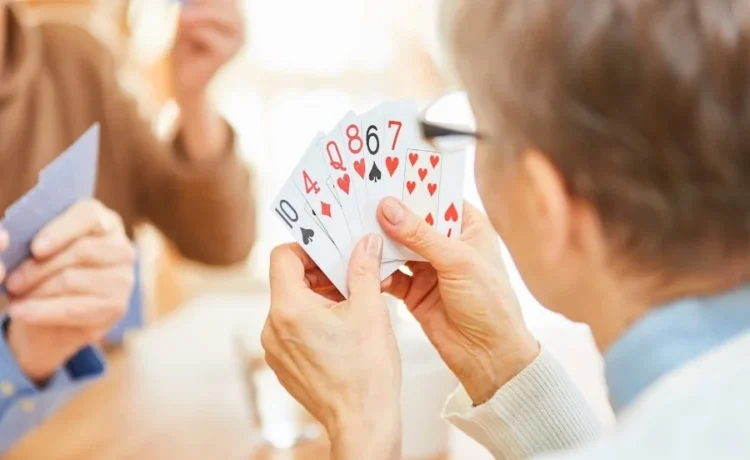
Introduction: More Than Just a Deck of Cards
From candlelit parlors of Victorian England to the modern digital lounge rooms of gaming apps, card games have traversed centuries, cultures, and technologies with effortless grace. What may appear at first glance as mere slips of paper in a rectangular deck belies a universe of human psychology, strategy, chance, and social connection. Card games have persisted not only as a source of entertainment but as reflections of societal values, vehicles for learning, and often, quiet meditations on patience and probability. They are both timeless and timely, continuously adapting while preserving a rich legacy of tradition.
The Origins: A Game Born of Ink and Imagination
The precise origins of card games are cloaked in historical ambiguity, yet most scholars trace their beginnings to 9th-century China, where paper cards were first recorded during the Tang dynasty. From there, the concept made its way westward through the Islamic world into Europe, where playing cards began to resemble the familiar suits and designs we recognize today.
By the 14th century, cards had become a staple in European households, evolving from hand-painted treasures for the nobility to mass-produced pastimes for the common people. The suits—hearts, diamonds, clubs, and spades—were developed in France and quickly spread throughout the continent, establishing a standardized deck that would eventually serve as the foundation for countless variations of play.
Card Games as a Cultural Mirror
Card games have always been more than idle distractions. They often reflect the structure and psychology of the cultures that create and embrace them. Games like Poker, born in the American frontier, celebrate risk, bluffing, and the spirit of rugged individualism. In contrast, Bridge, with its reliance on partnership and communication, mirrors a more structured and cooperative ethos.
In Eastern cultures, games like Hanafuda in Japan or Dou Dizhu in China reveal not just unique play styles but deep-rooted traditions and storytelling. Even the design and symbolism on the cards carry cultural weight, reflecting historical figures, seasonal elements, and mythological narratives.
The Versatility of the Deck: Infinite Possibilities
A standard 52-card deck is, in essence, a blank canvas—ripe for creativity, strategy, and chance. Its potential is nearly limitless, encompassing a spectrum of games ranging from solitary introspection to high-stakes group competition.
Popular categories of card games include:
-
Trick-taking games: such as Bridge, Spades, and Hearts, which focus on winning specific rounds or “tricks”
-
Matching and shedding games: like Uno (a variant) and Crazy Eights, where players aim to discard all cards
-
Rummy-style games: where sequences or sets of cards must be collected and laid down
-
Solitaire games: designed for single-player strategy and problem-solving
-
Gambling games: including Poker and Blackjack, emphasizing bluffing, probability, and risk management
Each category taps into different cognitive and social skills, offering a form of play that can be tailored to virtually any mood, age group, or setting.
Card Games and Cognitive Benefits: Brainplay in Disguise
Beneath their entertaining surface, card games offer a host of cognitive and psychological benefits. They engage memory, strategic planning, pattern recognition, and probability estimation. For children, they enhance numeracy, sequencing, and patience. For adults, especially seniors, regular card play has been linked to improved mental agility and decreased risk of cognitive decline.
Furthermore, card games often involve reading social cues, managing emotions, and making real-time decisions based on partial information—skills that extend far beyond the table.
The Social Element: Where Cards Become Conversations
Unlike many modern digital games that isolate players behind screens, traditional card games encourage face-to-face interaction. Whether it’s the subtle thrill of a well-timed bluff in Poker or the collaborative tension in a round of Bridge, card games have always served as a medium for connection.
Game nights built around cards foster community, create memories, and often transcend age barriers. A teenager and a grandparent can sit down with the same deck and find common ground—laughing, competing, and sharing stories between hands. In this way, card games are intergenerational, creating bridges where other social tools may falter.
The Digital Shift: Tradition Meets Technology
While the tactile satisfaction of holding real cards is hard to replicate, the digital world has expanded the reach of card games dramatically. Apps and online platforms now offer global access to thousands of variations, with AI opponents, multiplayer functionality, and visually stunning interfaces.
This digital renaissance has made card games more inclusive. Players with physical limitations, geographical isolation, or tight schedules can still engage in high-quality play. Online tournaments in games like Poker and Hearthstone have even elevated certain card-based formats into the eSports sphere, complete with sponsorships, rankings, and global viewership.
Endless Innovation: Reinventing the Classic
Card games are, by nature, adaptable. Over the years, inventive minds have introduced hybrid games that blend classic mechanics with novel twists. Games like Exploding Kittens, Cards Against Humanity, and Love Letter exemplify how modern design and humor can breathe new life into the age-old tradition of card play.
Even established games see continual evolution. House rules, regional variants, and thematic expansions ensure that card games remain dynamic, always offering something fresh for the curious player.
Conclusion: A Deck Full of Possibility
The card game, in all its forms, is a marvel of human invention—simple to begin, rich in complexity, endlessly adaptable. It can be fiercely competitive or warmly social, deeply strategic or delightfully casual. Its enduring popularity is not just a product of entertainment but a reflection of its ability to mirror human nature itself: thoughtful, unpredictable, and wonderfully interconnected.
Whether you’re seated at a velvet-lined casino table, gathered with family around the kitchen table, or logged into a virtual lobby, the shuffle of a deck marks the beginning of a shared experience. A card game is never just a game; it’s a story waiting to be dealt, one hand at a time.
Kobe Karla

the authorKobe Karla
All posts byKobe Karla
You Might Also Like
How Collectible Card Games Built Global Communities of Players
 6 months ago
Collectible Card Games (CCGs) represent one of the most remarkable phenomena in modern gaming culture. Since the birth of the...

Games to create the household Together
6 years agoLengthy summer time days, wet days, every day once the kids can certainly become bored is a superb time for...

How you can Play a web-based Baccarat Card Game
6 years agoBaccarat card game is one among the simplest casino games to experience. The easy rules for winning turn it into...


How you can Play Your Preferred Poker Card Game Online
6 years agoOnline games are the most useful option to playing inside a land-based venue for example casino or gambling bar. It's...