




Top Svenska Casino N - Professional casino gambling advice > Lottery > The Lottery Phenomenon: A Complex Blend of Hope, Chance, and Society

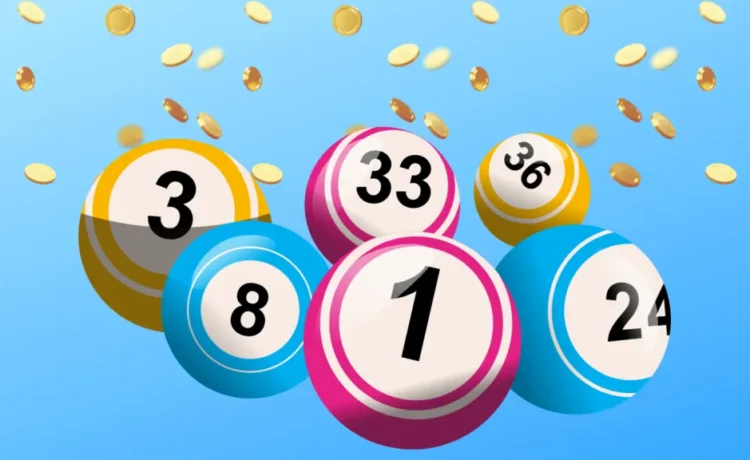
Introduction: The Enduring Fascination with Lotteries
The lottery is a captivating paradox—at once a simple game of chance and a profound cultural phenomenon. Across centuries and continents, people have been drawn to the prospect of transforming a small stake into unimaginable wealth. More than just a form of gambling, lotteries reveal much about human psychology, societal values, and the delicate balance between luck and destiny. In exploring the lottery, we uncover stories of dreams, desperation, philanthropy, and the powerful allure of possibility.
A Historical Perspective: From Ancient Draws to Modern Jackpots
Lotteries boast an ancient heritage, with origins stretching back thousands of years. Records from ancient China describe lottery-like games used to fund major projects such as the Great Wall. Similarly, the Roman Empire conducted lotteries to finance public works and distribute property. In medieval Europe, lotteries often supported charitable causes and state initiatives.
The modern lottery system began to take shape in the 15th and 16th centuries, notably in the Low Countries, where public lotteries raised funds for town fortifications and social welfare. Since then, lotteries have evolved into sophisticated enterprises, offering a range of formats from traditional draw games to instant scratch cards, with jackpots that can reach staggering sums.
The Mechanics of a Lottery: Simplicity and Suspense
At its core, a lottery is deceptively straightforward. Players purchase tickets bearing numbers or symbols and wait for a random drawing to determine winners. Yet this simplicity belies the intricate statistical principles underpinning each game.
-
Randomness: The cornerstone of fairness, achieved through mechanical ball draws or computer algorithms.
-
Odds and Probability: Typically, lotteries have long odds, meaning winning a major prize is extraordinarily rare, which paradoxically enhances the jackpot’s allure.
-
Prize Structure: Lotteries balance smaller, frequent payouts with the tantalizing promise of life-changing jackpots.
-
Ticket Sales and Revenue: A portion of proceeds typically funds government programs, education, or charitable causes, framing the lottery as both entertainment and civic contribution.
Understanding these mechanics demystifies the process but does little to diminish the emotional rollercoaster that players experience.
The Psychology Behind Lottery Play: Dreams of Fortune
Why do millions buy lottery tickets despite astronomically low odds? The answer lies in complex psychological and emotional factors.
-
Hope and Optimism: The lottery offers a rare, accessible dream of instant transformation. For many, purchasing a ticket is an act of hope, a momentary escape from daily struggles.
-
The Illusion of Control: Choosing one’s own numbers or employing “systems” creates a sense of agency in an inherently random game.
-
Social Ritual: Group plays, office pools, and shared excitement around draws foster community and collective anticipation.
-
Cognitive Biases: Phenomena such as the availability heuristic make vivid jackpot stories seem more attainable than statistics suggest.
This potent mix of emotion and cognition ensures the lottery remains an enduringly popular pastime worldwide.
Economic and Social Impacts: The Double-Edged Sword
Lotteries are significant economic engines, generating billions in revenue annually. Governments leverage these funds to support education, infrastructure, and health programs, presenting the lottery as a “voluntary tax.” In many regions, lottery proceeds have helped finance scholarships, public parks, and cultural institutions.
However, the social implications are more complex. Critics argue that lotteries disproportionately attract lower-income individuals, potentially exacerbating financial hardship. Additionally, the addictive qualities of lottery play have raised concerns about problem gambling. Responsible oversight, transparent allocation of funds, and public education are vital to addressing these challenges while preserving the lottery’s benefits.
The Lottery in Popular Culture and Media
Lotteries have inspired countless stories, films, and cultural references, symbolizing both hope and caution. The fantasy of sudden wealth fuels narratives of rags-to-riches transformations but also warnings about the pitfalls of unearned fortune. From dramatic jackpot winners to the poignant tales of those who lost everything, the lottery occupies a unique space in the collective imagination.
Moreover, the lottery’s ritualistic aspect—anticipating draws, checking numbers, sharing results—creates a shared cultural experience that transcends individual outcomes. This communal engagement keeps the lottery woven into social fabric.
Technological Advances and the Future of Lotteries
Modern technology has revolutionized how lotteries operate and engage players. Digital ticket sales, online number generators, and mobile apps offer convenience and accessibility like never before. Real-time broadcasts and interactive platforms amplify the excitement surrounding draws.
Additionally, innovative game formats, including second-chance drawings and progressive jackpots, keep the lottery experience fresh and appealing. As blockchain and cryptographic technologies emerge, the future may bring even greater transparency and fairness to the lottery industry.
Conclusion: The Lottery’s Enduring Place in Society
The lottery is far more than a game—it is a reflection of humanity’s enduring fascination with luck, chance, and possibility. It embodies a collective hope that fortunes can change overnight, that fate can smile upon the ordinary individual. While the statistical odds remind us of the rarity of jackpot success, the lottery’s true power lies in its capacity to inspire dreams, foster community, and support social causes.
In navigating the lottery phenomenon, society must balance excitement with responsibility, ensuring that this timeless game continues to bring joy and benefit without undue harm. Ultimately, the lottery remains a compelling testament to the human spirit’s unyielding optimism and the universal quest for a brighter tomorrow.
Kobe Karla

the authorKobe Karla
All posts byKobe Karla
You Might Also Like

How Lottery Branding Builds Public Trust
 4 months ago
Lotteries occupy a unique position in modern commerce. Unlike traditional consumer goods or services where customers receive a tangible product...
Lottery: The Fascinating Intersection of Chance, Hope, and Society
1 year agoIntroduction: The Enduring Magnetism of the LotteryThe lottery has long held a unique position within the landscape of human entertainment...

No More Forget To Purchase Your Lottery Tickets
6 years agoEveryone loves to gamble, the idea that perhaps this once they'll hit it big time is simply too tempting to...


Win the Lottery Making Use Of Your Mental Strength
6 years agoMental strength is exactly what ultimately wins a lottery game. To win and sustain the win of lottery games, getting...