




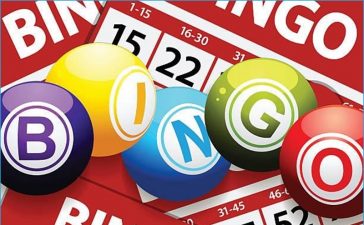
Bingo is one of the most enduring, universally recognized social games in the world. From traditional brick-and-mortar bingo halls and community charity events to digital gaming platforms, the simple thrill of matching called numbers to a grid has entertained players across generations. While many people picture the standard five-by-five grid with a free space in the middle when they think of bingo, the game has evolved into a rich, varied ecosystem featuring diverse formats, card structures, and winning conditions.
Understanding the mechanics of different bingo variations allows players to tailor their gaming experience to their personal preferences, whether they enjoy fast-paced quick rounds, strategic pattern matching, or multi-prize marathon games. Exploring the most popular types of bingo played around the globe reveals the distinct rules, card layouts, and strategic nuances of each format.
75-Ball Bingo: The American Classic
75-Ball Bingo is the standard version of the game played throughout the United States and Canada. Famous for its square card layout and versatile winning patterns, this variation offers a dynamic playing experience suitable for players of all skill levels.
The Card Layout and Mechanics
The 75-Ball Bingo card features a five-by-five grid containing twenty-four numbered squares and one blank space located in the center, marked as a free space. The columns are labeled with the letters B, I, N, G, and O. Each letter corresponds to a specific range of numbers:
-
B Column: Numbers 1 through 15
-
I Column: Numbers 16 through 30
-
N Column: Numbers 31 through 45, surrounding the center free space
-
G Column: Numbers 46 through 60
-
O Column: Numbers 61 through 75
When numbers are called, they are announced alongside their corresponding column letter, such as B-12 or O-68. This system helps players quickly scan their cards to mark off matching numbers.
Winning Conditions and Pattern Variety
Unlike variations that focus strictly on completing full lines, 75-Ball Bingo is renowned for its vast array of potential winning patterns. A player can win by completing a traditional horizontal, vertical, or diagonal line. However, games often incorporate complex predetermined shapes and designs. Common winning patterns include:
-
Blackout or Full House: Cover every single square on the grid.
-
Four Corners: Mark the four outermost corner squares of the card.
-
Letters and Numbers: Complete specific shapes like the letter X, the letter T, or an outer frame.
-
Themed Shapes: Form complex images such as airplanes, hearts, or postage stamps.
90-Ball Bingo: The British and Commonwealth Staple
While 75-Ball Bingo dominates North America, 90-Ball Bingo is the premier variation played across the United Kingdom, Australia, New Zealand, and parts of Europe. This format features a distinct card structure and offers multiple tier prizes per game round.
The Strip and Ticket Design
A 90-Ball Bingo card, often called a ticket, is structured as a grid with three horizontal rows and nine vertical columns. Each row contains five numbers and four blank spaces, meaning every individual ticket displays fifteen total numbers.
Tickets are typically sold in strips of six. A complete strip of six tickets contains all numbers from 1 to 90 distributed across the cards, ensuring that every number called by the host will appear somewhere on the player’s strip.
Three-Stage Winning Structure
Every round of 90-Ball Bingo offers three distinct opportunities to win, creating a progressive building process that keeps players engaged throughout the game:
-
One Line: The first player to cover all five numbers on any single horizontal row claims the first prize.
-
Two Lines: The game continues until a player completes all ten numbers across any two horizontal rows on a single ticket.
-
Full House: The ultimate prize goes to the player who marks off all fifteen numbers on a single ticket, completing the card.
80-Ball Bingo: The Modern Hybrid
80-Ball Bingo was developed specifically for online gaming platforms to bridge the gap between the rapid pace of 75-Ball Bingo and the structured lines of 90-Ball Bingo. It offers a fresh, medium-paced alternative that appeals to players looking for something different.
The Four-by-Four Grid
An 80-Ball Bingo card consists of a four-by-four grid containing sixteen numbers, with no free spaces. To make scanning easy, the card uses distinct colors for each column:
-
Red Column: Numbers 1 through 20
-
Yellow Column: Numbers 21 through 40
-
Blue Column: Numbers 41 through 60
-
Silver or White Column: Numbers 61 through 80
Winning Variations
80-Ball Bingo utilizes a variety of winning conditions, depending on the specific rules of the room. Popular winning conditions include single lines, four corners, central squares, or specific geometric patterns like a chevron or square frame. Full house or coverall variations are also common, offering larger payout pots for complete card coverage.
30-Ball Bingo: Speed Bingo for Fast-Paced Action
For players seeking high-speed entertainment, 30-Ball Bingo, frequently referred to as Speed Bingo, provides rapid rounds with minimal waiting time between draws.
Compact Card Structure
The card for 30-Ball Bingo is extremely compact, featuring a tiny three-by-three grid with nine total numbers and no free spaces.
-
Column One: Numbers 1 through 10
-
Column Two: Numbers 11 through 20
-
Column Three: Numbers 21 through 30
Fast Gameplay and Single-Prize Focus
Because there are only thirty balls in the entire drawing pool and nine squares on the card, rounds of 30-Ball Bingo are completed in a fraction of the time required for traditional variations. Most 30-Ball games operate on a full house condition only, where the first person to cover all nine numbers wins the round. This quick format allows players to experience multiple full games within a brief sitting.
Specialized and Themed Bingo Formats
Beyond the core numerical variations, the bingo world includes numerous creative spin-offs designed to add unique mechanical elements to the traditional experience.
-
U-Pick-Em Bingo: Similar to Keno or lotteries, U-Pick-Em Bingo allows players to select their own lucky numbers on a blank grid before the game begins, rather than receiving pre-printed randomized tickets.
-
Slingo: A popular digital fusion combining elements of traditional slot machines and 75-Ball Bingo. Players spin a single-row reel located beneath a five-by-five bingo card to reveal numbers, matching them to clear rows and earn points.
-
Bonanza Bingo: A progressive jackpot variation where a set amount of numbers, usually forty to forty-five, are drawn before the game begins. Players mark their cards, and if no full house is achieved immediately, additional numbers are drawn daily or per session until a winner emerges.
-
Stallion or Pattern Speed Bingo: Specialty games that focus strictly on completing a single pre-announced pattern in as few ball draws as possible, often linked to progressive jackpot prizes.
Frequently Asked Questions
Which type of bingo game offers the best odds for a player?
The statistical odds of winning at bingo depend primarily on the total number of cards in play during a specific round rather than the numerical variation. If a game has one hundred total tickets active and a player holds ten of them, that player possesses a ten percent chance of winning regardless of whether it is a 75-ball or 90-ball game. However, games like 90-Ball Bingo offer three prizes per round, giving players multiple chances to win a portion of the pot.
What is the primary difference between physical paper bingo cards and digital electronic cards?
Physical paper bingo cards require players to manually locate and mark called numbers using an ink dauber, demanding high visual concentration, especially when playing multiple cards simultaneously. Electronic cards used in bingo halls or online platforms utilize auto-daub technology, which automatically tracks and marks numbers across all purchased cards instantly, eliminating the risk of missing a called number.
Can winning patterns in 75-Ball Bingo overlap during a single game?
Yes, depending on the house rules of a specific hall or online room, multiple pattern prizes can be awarded within a single round of 75-Ball Bingo. For example, a game might award a prize for the first player to complete a single line, and then continue the same round to see who can build off that card to complete a blackout.
Why do some bingo games feature a free space while others do not?
The central free space is a traditional feature of the American 75-Ball five-by-five grid designed to balance the card layout. Because the center square sits at the intersection of vertical, horizontal, and diagonal lines, giving players an automatic starting square accelerates the rate at which winning patterns can be completed. Variations like 80-ball, 90-ball, and 30-ball use smaller or rectangular grids where a free space is mechanically unnecessary.
What is a progressive jackpot in online bingo games?
A progressive jackpot is an extra prize pool that grows over time as a small portion of every purchased ticket is added to the pot. To win a progressive jackpot, a player must achieve a full house or complete a specified blackout pattern within a strict maximum number of ball calls, such as completing a 75-ball blackout in forty-two calls or fewer.
Is it better to buy many cards for one game or few cards across multiple games?
Purchasing a higher volume of cards for a single game increases your relative proportion of the total cards in play for that specific drawing, giving you a higher probability of winning that individual round. Spreading your budget across multiple games gives you more total opportunities to play, but your probability of winning any single individual round remains lower.
What does the term daubing mean in bingo terminology?
Daubing refers to the act of marking off a called number on a bingo card. In traditional live bingo, players use a specialized ink bottle called a dauber to stamp colored ink spots onto paper cards. In digital or online bingo settings, daubing occurs virtually, either manually by clicking the screen or automatically via software settings.

Beyond the Numbers: The Enduring Charm and Evolution of Bingo


Introduction: A Game of Simplicity and Social SplendorFew games manage to straddle generations and cultures with the quiet elegance of...

Eyes Down for a Full House: The Timeless Appeal of Bingo in a Changing World
Introduction: A Gentle Game with Global AppealIn an age dominated by fast-paced video games, immersive virtual realities, and competitive eSports,...


What You Must Know About No Deposit Bingo
The advantage of playing bingo in this way is that you don't place your cash on risk in situation you...

Keep The Brains Sharp With Internet Bingo!
Mention the saying bingo online and also the first factor that pops into our mind may be the picture of...