





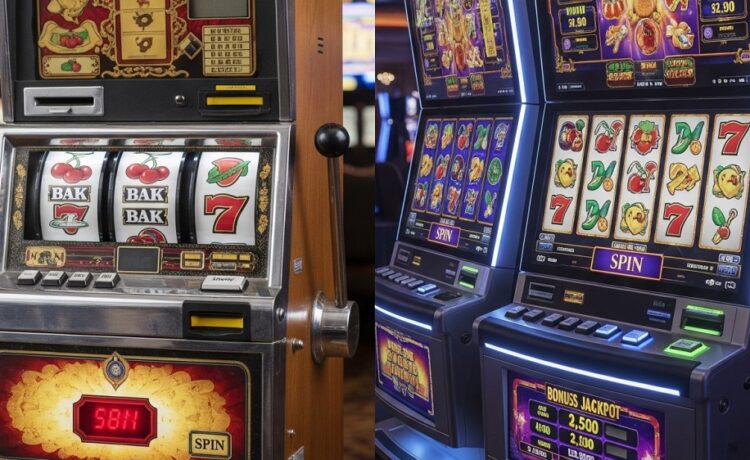
The gaming landscape has undergone a dramatic transformation over the past century. Few casino attractions illustrate this evolution as vividly as the slot machine. What began as a simple mechanical box with three physical reels and a pull lever has transformed into a high-tech, digital entertainment experience featuring cinematic graphics, complex game mechanics, and mobile accessibility.
As technology evolved, player preferences shifted dramatically across age groups. Understanding how different generations engage with slot machine entertainment offers deep insights into player psychology, consumer behavior, and the ongoing convergence of video gaming and modern casino platforms.
The Mechanical Era: Baby Boomers and Traditional Play
Baby Boomers, born between 1946 and 1964, came of age during the golden era of physical, mechanical slot machines. For this demographic, slot entertainment was built on tangible feedback, direct mechanical interaction, and straightforward rulesets.
Physical Tactility and Nostalgic Mechanics
Baby Boomers generally prefer traditional three-reel slot machines featuring physical levers, metallic coin drops, and iconic symbols like cherry pairs, liberty bells, and lucky sevens. The physical act of pulling a spring-loaded arm and watching mechanical reels spin provided a sense of tactile control. The immediate acoustic feedback of physical coins clinking into a metal tray created a sensory association with winning that modern digital sound systems attempt to emulate.
Simplicity and Clear Paytables
Unlike younger players who embrace complex bonus features and narrative story arcs, Boomers often value simplicity and transparency. They prefer single-line or low-line paytables where calculating a win is instantaneous. The appeal lies in the rapid cycle of the spin, clear odds, and an uncomplicated gaming rhythm free from lengthy video cutscenes or multi-level mini-games.
The Digital Transition: Generation X and Video Slots
Generation X, born between 1965 and 1980, bridged the gap between mechanical technology and the digital revolution. As video slot machines introduced screen-based gaming in the late 1990s and early 2000s, Gen X became the early adopters of computerized multi-line video slots.
Pop Culture IP Licensing
Gen X players grew up during the explosion of cable television, blockbusters, and pop music icons. Game developers targeted this demographic by securing licenses for popular media franchises. Video slots themed around classic 1980s movies, hit television shows, and legendary rock bands became massive hits. The inclusion of video clips, original audio tracks, and thematic bonus rounds transformed the slot floor into a nostalgia-driven media hub.
Multi-Line Paylines and Frequent Low-Tier Wins
Generation X embraced the transition from single-payline machines to video slots featuring twenty, fifty, or even one hundred paylines. This structural change introduced the concept of high hit frequency, where players experience frequent low-tier wins that return a portion of their wager. This dynamic keeps players engaged for longer sessions, prioritizing sustained entertainment value over the high-volatility, single-hit structure of traditional mechanical reels.
Gamification and Skill Mechanics: Millennials and Mobile Gaming
Millennials, born between 1981 and 1996, represent the first generation of digital natives. Having grown up with home video game consoles, personal computers, and smartphones, their expectations for slot machine entertainment differ radically from their predecessors.
Skill-Based Elements and Arcade Mechanics
Standard random number generator slot games often fail to fully engage Millennials, who are accustomed to interactive media where personal skill dictates success. To appeal to this demographic, manufacturers introduced skill-based slot machines. These hybrid games combine traditional wagering mechanics with arcade-style shooting, racing, or puzzle-solving bonus rounds, allowing a player’s physical coordination or tactical choices to influence the payout multiplier.
Mobile Accessibility and App-Based Social Casinos
Millennials favor convenience and instant digital access. The rise of online casinos and social gaming mobile apps allowed Millennials to engage with slot mechanics outside traditional land-based venues. Social casino apps, which utilize free-to-play models with virtual credits, introduced slots to Millennials through social media platforms, emphasizing community competition, leveling systems, and virtual achievements over immediate cash gambling.
The Immersive Frontier: Generation Z and Next-Gen Slots
Generation Z, born between 1997 and 2012, is shaping the future of interactive entertainment. Raised on live streaming, mobile esports, hyper-interactive video games, and virtual social spaces, Gen Z demands immersive, social, and visually dynamic experiences.
Community Streaming and Spectator Culture
Gen Z approaches slot entertainment as both an active experience and a spectator sport. The popularity of slot streaming on live platforms like Twitch and YouTube has created a vibrant community culture. Millions of viewers tune in to watch creators play high-volatility digital slots in real time, interacting via live chat rooms. This communal viewing experience highlights how Gen Z values shared social engagement as much as individual gameplay.
Virtual Reality and Hyper-Visual Engine Design
To capture Generation Z’s attention, developers utilize high-end graphics engines similar to those powering modern video games. Next-generation slots feature 3D animations, rich narrative storylines, customizable player avatars, and virtual reality integration. Walking through a fully rendered digital casino floor in VR and sitting down at a futuristic slot machine represents the logical evolution for a generation comfortable navigating digital metaverses.
Bridging Generational Gaps on Modern Casino Floors
Modern casino operators must balance their offerings to cater to multiple age groups simultaneously under one roof. Creating an inclusive gaming floor requires strategic layout design and diverse product selection.
-
Hybrid Layout Strategies: Floor managers arrange traditional mechanical reels in quiet, accessible zones for older demographics while positioning high-energy video slots and skill-based cabinets near entrances, lounges, and sportsbooks to attract younger crowds.
-
Omnichannel Continuity: Operators link physical casino rewards programs with digital mobile apps, allowing younger players to transition seamlessly between physical casino visits and online play on their smartphones.
-
Flexible Volatility Options: Modern slot cabinets offer configurable volatility settings, allowing players to choose between low-risk, long-duration entertainment or high-risk, high-reward gameplay profiles based on personal preference.
Frequently Asked Questions
Why do older generations prefer physical mechanical reels over digital screens?
Older generations, particularly Baby Boomers, grew up with mechanical technology and associate the physical tactile feel of reels, levers, and metal coins with transparency and authenticity. The physical mechanics provide immediate, tangible proof of an outcome, whereas digital screens can feel abstract or unfamiliar to traditional players.
What is the difference between a high-volatility and a low-volatility slot machine?
Volatility measures the risk profile of a slot machine. High-volatility slots payout less frequently, but when wins occur, they are generally much larger. Low-volatility slots offer frequent, smaller payouts that extend playing time. Older players often prefer low-to-medium volatility for steady play, while younger players seeking high-energy moments often gravitate toward high-volatility digital games.
How do skill-based slot machines work?
Skill-based slot machines incorporate interactive bonus rounds where a player’s physical skill—such as aiming a target, driving a virtual car, or solving a puzzle—determines the bonus multiplier or payout tier. While the base game still relies on a random number generator to preserve compliance, the bonus phase rewards player dexterity.
Are social casino slot apps considered real gambling?
No, traditional social casino apps operate under a free-to-play model where players use virtual coins that hold no real-world monetary value. Players cannot cash out winnings for real money. However, these apps utilize identical visual, auditory, and mathematical mechanics to traditional slot games to provide entertainment.
How has live streaming influenced modern slot machine design?
Live slot streaming has pushed game developers to create higher volatility games with dramatic, visual bonus triggers. Designers create cinematic, high-stakes bonus rounds with escalating multipliers specifically designed to create suspense for both the player and thousands of live online spectators.
Will video-game-style slots completely replace traditional slot machines in the future?
Unlikely. While skill-based and gamified slots continue to capture market share among younger demographics, traditional mechanical and simple video slots remain immensely profitable. Casino floors maintain a diverse blend of games to ensure both traditional players and younger digital natives find products suited to their personal tastes.
How do casinos adapt slot machine themes for different regional markets?
Manufacturers customize slot themes using localized pop culture, regional folklore, popular local celebrities, and culturally significant symbols. A slot machine designed for Asian markets may emphasize mythological dragons and lucky numbers, whereas a machine targeting North American venues may feature country music stars, classic cars, or Hollywood blockbusters.

The Allure of Slots: Exploring the History, Mechanics, and Cultural Impact of Slot Machines


Introduction: A Captivating Spin Through TimeSlot machines are perhaps the most iconic symbols of casinos worldwide, instantly recognizable and deeply...


How Slot Design Influences Player Behavior
Psychology plays a huge role in both gambling and marketing. Therefore, it isn’t surprising to learn that many casinos incorporate...