





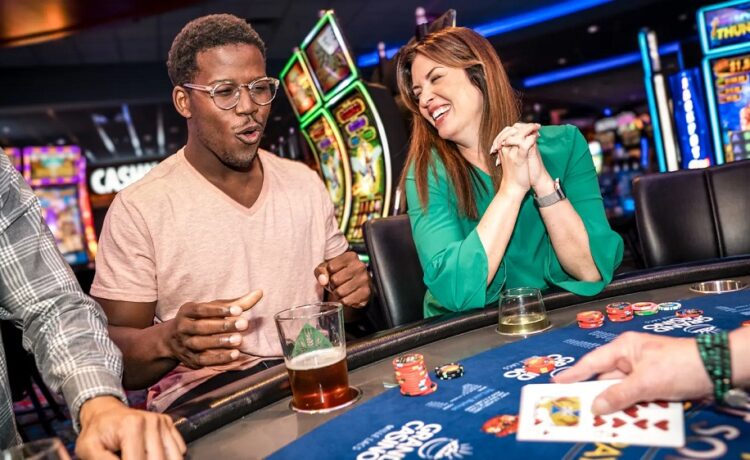
For decades, gambling and general entertainment operated in distinct, separate spheres. A night at a casino was viewed as a specific financial activity centered around risk and reward, while going to a movie, playing a video game, or attending a concert represented pure leisure. In the contemporary digital age, however, those once-rigid boundaries have largely dissolved. Modern gambling has systematically integrated elements of mainstream entertainment, transforming into an interactive, experience-driven industry.
Conversely, mainstream media and popular culture frequently adopt mechanics traditionally associated with wagering. From blockbuster-themed slot machines and live esports betting to gamified mobile applications, the intersection between entertainment and modern gambling has redefined how consumers engage with leisure, risk, and digital media.
The Evolution from Pure Chance to Experience-Driven Media
Early commercial gambling platforms focused almost exclusively on basic game mechanics and mathematical probability. Standard slot machines featured simple mechanical reels with basic fruit symbols, and table games prioritized rapid card dealing without aesthetic embellishment. As technology evolved, operators recognized that maintaining long-term consumer interest required far more than static games of chance.
Pop Culture Licensing and Cinematic Design
Modern slot machines and digital casino games function much like multimedia entertainment products. Developers partner with major Hollywood studios, television networks, and music franchises to license recognizable intellectual properties. Players no longer simply spin reels; they unlock cinematic video clips, listen to iconic soundtracks, and trigger narrative-driven bonus rounds based on popular films, hit television series, or famous musical acts. This narrative framing shifts the player’s primary motivation from purely financial gain to an immersive entertainment experience.
Advanced Visuals and High-Fidelity Audio
Advancements in graphics engines, three-dimensional modeling, and spatial audio have elevated the aesthetic standard of digital gambling. High-definition animations and dynamic sound designs mirror the production value found in AAA video games and animated films. By surrounding traditional wagering mechanics with rich visual story arcs and cinematic flourishes, platforms engage players’ senses, keeping them entertained even during non-winning rounds.
The Gamification of Gambling Mechanics
One of the most significant bridges connecting modern gambling with mainstream entertainment is the concept of gamification. Gamification involves incorporating non-gambling video game elements into traditional casino formats to attract younger, tech-savvy demographics accustomed to interactive media.
-
Skill-Based Gaming Elements: Traditional casino games rely almost entirely on random number generators or fixed house edges. Modern variations incorporate skill-based mechanics—such as arcade-style shooting, puzzle-solving, or racing elements—where a player’s physical reaction time or tactical decisions directly influence bonus outcomes or payout multipliers.
-
Progression Systems and Achievements: Borrowing directly from video game design, online betting platforms utilize experience points, level progression bars, unlockable character avatars, and achievement badges. These systems create a sense of ongoing personal accomplishment and long-term investment beyond the outcome of a single wager.
-
Leaderboards and Social Competition: Real-time leaderboards, public tournaments, and multiplayer lobby features introduce a social component to modern gambling. Competing against peers for top rankings mirrors the competitive landscape of modern video gaming and social media challenges.
The Converging Worlds of Video Games, Esports, and Betting
The relationship between video gaming and gambling operates as a two-way street, with traditional video games borrowing gambling-like mechanics while esports introduces competitive gaming to traditional sportsbooks.
Loot Boxes and Virtual Item Economies
In mainstream video games, mechanics like microtransactions and loot boxes have introduced randomized reward structures to non-gambling environments. Players spend real or virtual currency to open digital crates containing random decorative items, character skins, or functional in-game gear. The psychological mechanism behind opening a randomized loot box is identical to spinning a slot machine or pulling a prize lever, sparking widespread global debate regarding the normalization of gambling behaviors among younger audiences.
The Rise of Esports Wagering
Esports—competitive multiplayer video gaming played at a professional level—has grown into a multi-billion-dollar global entertainment industry. Traditional sportsbooks and specialized digital platforms now offer extensive betting markets on professional video game tournaments covering titles in first-person shooters, multiplayer online battle arenas, and digital strategy games. Fans who grew up watching gaming livestreams can now wager on live match outcomes, first-kills, or tournament champions in the exact same manner as traditional sports fans bet on football or basketball.
Social Streaming and the Creator Economy
The growth of live-streaming platforms like Twitch and YouTube has revolutionized how gambling content is created, consumed, and marketed. Content creators broadcast themselves playing high-stakes online slot machines, table games, or sports betting slips live to tens of thousands of viewers simultaneously.
Gambling as Spectator Entertainment
Live streaming transforms an inherently solitary activity into a communal, broadcasted event. Viewers tune in not to gamble themselves, but to experience the vicarious emotional highs and lows of the streamer. Live chat features allow audiences to celebrate big wins, commiserate over losses, and interact with the broadcaster in real time, turning the gambling process into a collaborative form of entertainment media.
Creator Influencer Marketing
Gambling operators actively partner with popular digital influencers and stream personalities to reach new demographics. By integrating promotional betting sessions, custom affiliate codes, and sponsored tournament streams into daily broadcasts, operators seamlessly embed their products into mainstream entertainment routines, blurring the line between organic content creation and commercial advertising.
Immersive Tech: VR, AR, and Destination Resorts
The desire to merge gambling with high-end entertainment is equally evident in physical, brick-and-mortar environments and next-generation immersive technology.
Integrated Resort Destinations
Modern casino properties in major gaming hubs long ago evolved beyond simple floor spaces filled with gaming tables. They function as massive integrated entertainment resorts featuring world-class theater venues, Michelin-starred dining, nightclubs, luxury retail shopping, and immersive attraction spaces. For many visitors, actual gambling represents only a small portion of an overall vacation experience centered on world-class entertainment.
Virtual and Augmented Reality Casinos
As virtual reality and augmented reality hardware continue to advance, digital operators are constructing virtual casino environments that replicate the spatial atmosphere of physical luxury venues. Players wearing VR headsets can walk through digital gaming floors, sit at virtual poker tables alongside avatars of international players, and interact with live dealers in fully rendered three-dimensional environments, making the act of placing a bet feel like entering an interactive digital world.
Frequently Asked Questions
What is the difference between gamified gambling and traditional video games?
Gamified gambling uses video game mechanics—such as skill elements, leveling systems, and storyline progression—within an activity where real money is staked on uncertain outcomes. Traditional video games focus primarily on entertainment through skill, narrative, or competition, where real-money wagering on the core gameplay loop is generally absent.
How do pop culture licensing agreements benefit online casino game developers?
Licensing popular films, television shows, or musical acts provides immediate brand recognition. Players are naturally drawn to games featuring characters, sound clips, and visual themes they already love, lowering customer acquisition costs and creating an instant emotional connection that simple, unbranded games cannot replicate.
Are loot boxes in mainstream video games considered a form of gambling?
The legal classification of loot boxes varies globally. While traditional definitions of gambling require the exchange of real money for a chance to win something of tangible financial value, critics argue that purchasing randomized digital items utilizes identical psychological triggers, leading many international regulatory bodies to restrict or mandate probability disclosures for loot boxes.
Why is skill-based gambling becoming more popular among younger generations?
Younger generations, such as Millennials and Gen Z, grew up playing interactive, strategy-heavy video games rather than purely passive games of chance. Skill-based gambling appeals to their desire for agency, control, and personal mastery, allowing them to feel that their physical coordination or strategic choices actively influence the game’s outcome.
What role do livestreaming platforms play in popularizing online casino play?
Livestreaming platforms make gambling a spectator sport. Streamers broadcast high-stakes sessions, entertaining audiences through energetic commentary and real-time social interactions. This constant exposure normalizes online betting as a standard form of digital entertainment and exposes viewers to new platforms and game formats.
How do modern sportsbooks integrate real-time sports broadcast media?
Modern sports betting apps embed live video streams, real-time statistically driven graphics, and dynamic betting markets directly into their interfaces. Fans can watch a live sporting event and place micro-bets on instant outcomes—such as the result of the next pitch or drive—without leaving the broadcast screen, seamlessly blending sports consumption with active betting.
How does the integration of entertainment impact responsible gaming efforts?
When gambling feels like an immersive video game or a casual stream, players may lose track of time and real financial expenditure more easily. To counter this, modern platforms use automated responsible gaming tools, such as reality-check pop-ups, time trackers, deposit limits, and AI-driven monitoring systems, to ensure entertainment remains safe and sustainable.


How to Get Started with ReddyBook for Online Betting


Starting your online betting journey can feel exciting and a little overwhelming at the same time. With so many platforms...


Tips for Responsible Gambling on Cricbet99: Stay Safe While Enjoying the Game
Online cricket betting has gained tremendous popularity in recent years, and platforms like Cricbet99 have emerged as key players in...


Online Betting and Artificial Intelligence: Predictive Analytics
Artificial Intelligence (AI) has revolutionised various industries and online betting is no exception. By leveraging predictive analytics, AI algorithms analyse...
Unlock the Ultimate Gaming Experience at Fun88 Online Casino on Mayalounge
Gamers always seek an immersive gaming experience that captivates their interests while providing endless hours of fun and entertainment. If...