





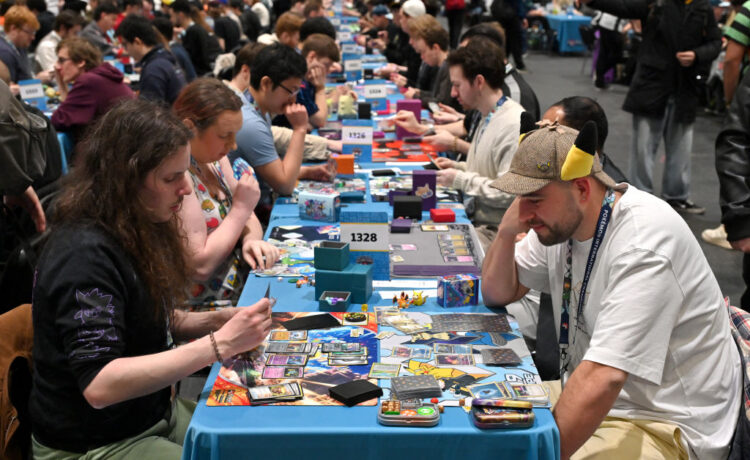
Collectible Card Games (CCGs) represent one of the most remarkable phenomena in modern gaming culture. Since the birth of the genre in the early 1990s, these games have transcended their status as mere tabletop pastimes to become vibrant cultural hubs, economic networks, and international social networks. By seamlessly blending strategic gameplay, artwork, collectability, and face-to-face interaction, CCGs have brought together millions of players across diverse cultures, languages, and geographic borders.
What began as localized kitchen-table gatherings has evolved into an interconnected global ecosystem. Understanding how collectible card games achieved this level of international community building reveals deep insights into human psychology, game design, and social connectivity.
The Local Game Store as a Cultural Anchor
The worldwide spread of collectible card games relies on a physical network of grassroots venues: local game stores. These brick-and-mortar locations serve as the essential foundational hubs for CCG communities.
Safe Spaces for Social Interaction
Local game stores provide welcoming physical environments where players gather to play, trade, and converse without judgment. For many enthusiasts, these stores function as third places—social spaces distinct from home and work environments. Within these walls, social status, age, and background fade into the background, replaced by a shared passion for card mechanics, deck construction, and fantasy lore.
Organized Play and Weekly Rituals
Publishers sustain local game stores through structured organized play initiatives, such as weekly Friday Night events or release celebrations. These recurring gatherings establish predictable social rituals. Players return week after week, transforming casual acquaintances into long-term friendships. The routine of gathering on a specific evening to test new deck ideas or compete for small prize packs forms the backbone of community retention.
Mentorship and Player Onboarding
Local store ecosystems naturally foster intergenerational mentorship. Veteran players frequently guide newcomers, offering advice on deck assembly, teaching rules, and trading spare cards to help beginners build competitive decks. This organic teaching culture lowers the entry barrier for new players and reinforces a collaborative community spirit.
The Shared Language of Mechanics and Intellectual Property
A primary reason collectible card games build international bridges is their ability to establish a universal language that transcends geographical boundaries.
Universal Game Systems
Whether a player is in Tokyo, Berlin, Sao Paulo, or New York, the core mechanics of a specific collectible card game remain identical. Resource management systems, turn structures, card interactions, and combat rules function as a shared mental framework. Two players who do not share a spoken language can sit down opposite each other and play a seamless, highly competitive match using gestures, game terminology, and recognized card art.
Immersive Art and Narrative Worldbuilding
The striking visual art and deep lore accompanying card games play a vital role in capturing player imagination. Distinctive character designs, thematic worlds, and compelling storylines create emotional resonance across different cultures. Players bond over shared favorite characters, iconic card illustrations, and dramatic lore moments, transforming technical gameplay into a shared narrative experience.
The Social Dynamics of Card Trading and Secondary Economies
Unlike traditional board games where every box contains identical components, collectible card games feature randomized distribution through sealed booster packs. This architectural choice naturally drives player-to-player interaction through trading.
-
Facilitating Organic Dialogue: Trading requires players to communicate, negotiate, and evaluate values collaboratively. Negotiating a trade serves as a natural icebreaker, encouraging conversations that often expand beyond card values into personal interests and gameplay strategies.
-
The Secondary Market Economy: The global value attached to rare cards has created an international secondary market. Online marketplaces, convention vendors, and card grading services connect collectors and players worldwide, creating a shared financial and economic culture around the hobby.
-
Deck Personalization and Identity: The act of acquiring specific cards to build a unique deck allows players to express their individual identity. Showing off a custom deck featuring rare printings, alternate art, or foreign-language cards acts as a social signal of dedication and personal style within the player community.
Competitive Pathways and the International Tournament Circuit
The evolution of CCGs from casual kitchen-table play to high-stakes esports and international championships has played a massive role in uniting players on a global scale.
Regional and National Championships
Organized play structures offer clear competitive pathways. Players begin at local store events, qualify for regional invitationals, advance to national championships, and ultimately earn invitations to world championship tournaments. This structured hierarchy gives ambitious players concrete goals and a sense of shared competitive purpose.
The World Championship Experience
World championship events bring together top players from dozens of countries under one roof. These multi-day festivals feature grand stages, live broadcasts, and multi-lingual commentary. Beyond the high-stakes main events, world championships host side games, artist signings, and cultural exchanges, creating an atmosphere where international friendships are forged over shared competitive experiences.
Content Creation and Meta-Game Evolution
The rise of the internet transformed how CCG communities interact. Online forums, strategy websites, streaming platforms, and social media channels allow players worldwide to analyze game strategies simultaneously. When a new card set drops, a global hive mind immediately begins discussing card synergies, testing deck concepts, and defining the global competitive meta-game. This shared intellectual pursuit keeps the player base continuously engaged.
Digital Expansion and Hybrid Communities
The digital revolution expanded collectible card games beyond physical tabletop limits. Digital adaptations brought CCGs to millions of new players who lacked access to local game stores or physical play groups.
Digital card games offer automated rules enforcement, instant matchmaking, and accessible free-to-play models. This accessibility allows players in remote locations to participate fully in the global community. Furthermore, digital platforms often feature social tools, community tournaments, and spectator modes that complement physical play, creating a vibrant hybrid ecosystem where physical and digital communities enrich one another.
Frequently Asked Questions
What was the first collectible card game that started the global trend?
Magic: The Gathering, created by Richard Garfield and published by Wizards of the Coast in 1993, is universally recognized as the first true collectible card game. Its massive commercial success established the randomized booster pack model, tactical game structure, and organized play systems that defined the genre and inspired subsequent global franchises.
How do non-English speakers navigate playing with cards printed in foreign languages?
CCG players rely on distinctive card art, layout structures, collector numbers, and standardized iconography to identify cards instantly. Because card text is publicly cataloged in official online databases, players can easily verify card text on their smartphones during matches, allowing international play to proceed smoothly regardless of language differences.
What is the difference between a Collectible Card Game (CCG) and a Living Card Game (LCG)?
The primary difference lies in distribution. Collectible Card Games distribute cards through randomized blind packs, making certain cards rare and valuable on a secondary market. Living Card Games sell expansion sets with fixed, fully visible contents, eliminating randomness and card trading while preserving deck-building mechanics.
How do online community platforms influence physical card game gathering spaces?
Online platforms like Discord, Reddit, and community forums serve as digital town squares where players organize local events, discuss strategy, arrange trades, and share custom decklists. Rather than replacing physical spaces, online communities act as digital catalysts that drive foot traffic and engagement toward local game stores and physical tournament venues.
Why do some vintage collectible cards command extremely high market prices?
Vintage card values are driven by historical significance, print scarcity, condition, and nostalgic demand. Early printings of iconic cards from the early 1990s were produced in limited quantities, and surviving copies in mint condition are exceptionally rare, causing serious collectors and investors to treat them as valuable alternative assets.
How do publishers support local game stores to ensure community survival?
Publishers support local game stores by providing exclusive promo cards, official tournament management software, marketing materials, and store-exclusive product releases. By tying official tournament qualification pathways directly to store events, publishers ensure that local venues remain the primary destination for active players.
Can casual players enjoy collectible card games without spending thousands of dollars?
Yes, modern collectible card games offer multiple formats designed specifically for budget-conscious and casual players. Formats using pre-constructed decks, limited draft formats where players build decks from fresh packs on site, and casual multiplayer formats emphasize fun, social interaction, and creative deck construction over expensive competitive card collections.


Shuffled Realities: The Enduring Allure and Cultural Legacy of Card Games


Introduction: More Than Just a Deck of CardsFrom candlelit parlors of Victorian England to the modern digital lounge rooms of...


Games to create the household Together
Lengthy summer time days, wet days, every day once the kids can certainly become bored is a superb time for...


How you can Play a web-based Baccarat Card Game
Baccarat card game is one among the simplest casino games to experience. The easy rules for winning turn it into...


How you can Play Your Preferred Poker Card Game Online
Online games are the most useful option to playing inside a land-based venue for example casino or gambling bar. It's...